Freight forwarding today and tomorrow
Freight forwarding companies transport goods by land, water, and air. They store goods. They distribute through regional suppliers. They are responsible for ensuring that businesses and households receive the necessary everyday goods and services on time.
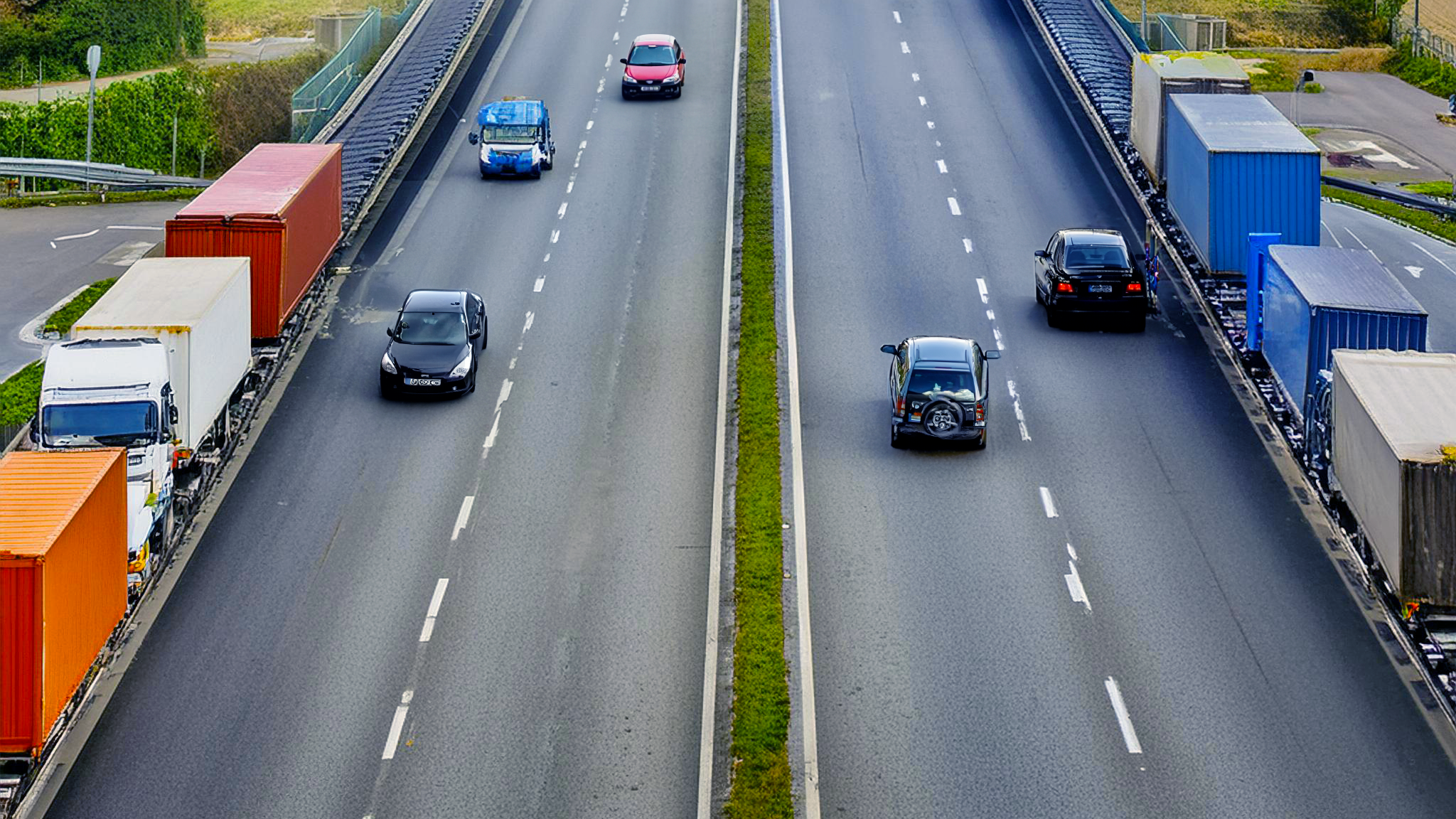
Because our transportation systems - road and rail - are overloaded, freight companies can no longer fulfill their obligations. Traffic will increase significantly in the coming years, which will lead to rising revenues for freight companies, but will also increase the strain on roads and railways, for freight companies, and for private vehicles to unimaginable levels. The pressure on freight companies will increase considerably, as they will be unable to meet their obligation of on-time deliveries. People reject the idea of building more highways. We've truly had enough. Simply continuing down the same path as the past - building, building, building - is outdated. Thinking only linearly ahead - more traffic means more highways - is the wrong approach. A change of mindset, thinking outside the box, is needed, because we have enough highways; we just need to use them differently.
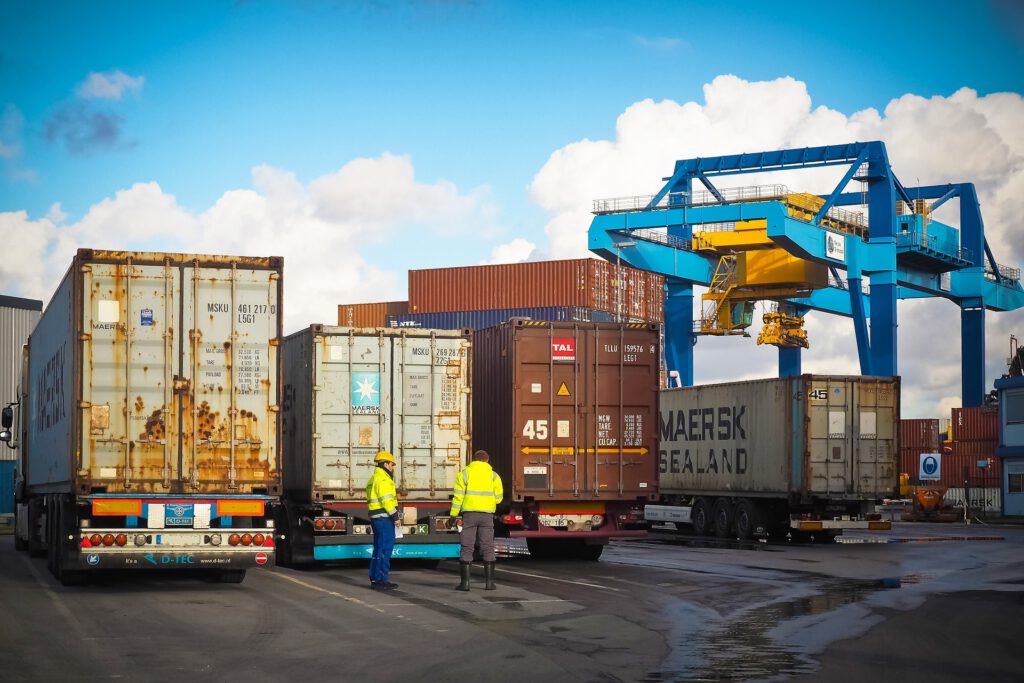
1. At night, from 10 PM to 6 AM, the highways are almost empty. Capacity is reduced by more than 33%. Truck drivers are active during the day, driving, and sleep at night, like everyone else. An additional problem is the lack of highway rest areas. There are already too few, and this problem will only worsen with increasing traffic. And there aren't enough truck drivers anyway. The freight transport association is looking for truck drivers worldwide.
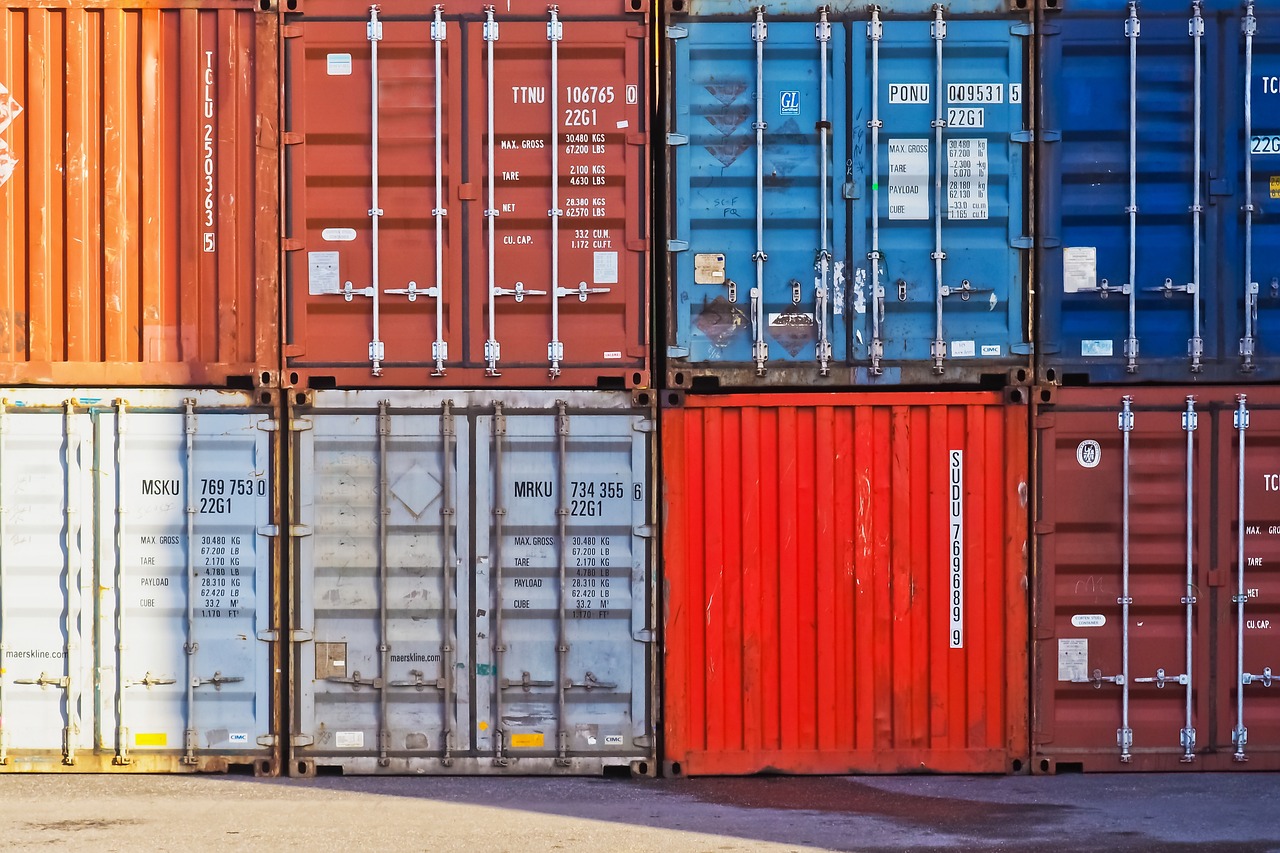
2. An average long-haul truck with a length of 15 meters requires approximately 40 meters of safety distance in flowing traffic, half the speedometer reading. This means that a freight unit requires approximately 55 meters of highway. A container, including the required distance, requires approximately 15 meters. This means that three times more freight can be transported. Freight traffic must be consolidated; doubling or tripling the use of the highway through increased density is both necessary and feasible.
3. By increasing the speed of “SCL” to 120 km/h, the freight volume of freight traffic will be doubled again.
4. Costs: The staffing problems of freight forwarding companies regarding truck drivers, and thus the costs, including those in personnel administration, are minimized. The investment in expensive electric trucks is no longer necessary.
5. Traffic announcements about congestion have been part of our daily lives for many years; we've become accustomed to them. This doesn't have to be the case; it can be changed by ensuring smooth freight traffic on a designated lane, without accidents, and smooth private traffic on the remaining lanes – "sheer driving pleasure."
6. By doubling or tripling automated freight transport, without expensive electric trucks, without truck drivers (the problem child of freight forwarding companies and the price driver of freight rates), the speed of freight delivery increases, and unlimited revenue increases are possible.